Even to those of us who have spent years working in and around the media business, it remains both confusing and endlessly fascinating.
During the past year, several new books have been published in which the authors present a well-researched, clear-eyed view of the media business. The authors all delve into the challenges of today’s rapidly changing ‘digital media’ landscape, but they also include a great deal of useful historical perspective. I recommend these three books to anyone with a professional interest in understanding what makes media companies tick:
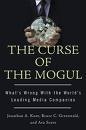 The Curse of the Mogul, by Jonathan A. Knee, Bruce C. Greenwald, and Ava Seave, is an academic and analytical view of the media business, with a particular focus on financial performance relative to other sectors. It is very quantitative and a bit dry in places, but surprisingly readable. The general thesis, as indicated by the title, is that ego trumps rational business decision-making in the media business — to the general detriment of shareholders. This is a fairly well-known fact, but the evidence is interesting and it can be reassuring to learn that your instincts are basically correct.
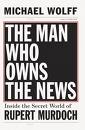 The Man Who Owns the News, by Michael Wolff, is a biography of Rupert Murdoch that chronicles both business and personal history. Mr. Wolff, who writes for Vanity Fair, is a very engaging writer who had an extraordinary level of access to Mr. Murdoch and his associates. The timeline in the book bounces back and forth between events in the WSJ takeover and nominally related historical events, and this can lead to confusion if your concentration ebbs. Even if you’re tempted at times to just skip to the prurient bits about Wendi Deng, it’s worth slogging carefully through the entire book to get a complete picture of News Corp.
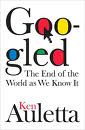 Googled, by Ken Auletta, is a mainstream business biography about how Google got started and grew. It is a very easy read, with interesting anecdotes and some insightful analysis of both the upside and the downside of young, smartest-guy-in-the-room founders. However, it also includes some good commentary on ‘old media’ and helps clarify why the media industry now comprises players as diverse as CBS and Google.

 Chick Operating Officer


0 Responses to “Books About the Media Business”